Beauty breakdowns have taken social media by storm. These viral videos deconstruct makeup looks, skincare routines, and beauty transformations into digestible, step-by-step content. Viewers love them because they demystify complex techniques and make professional-level beauty accessible to everyone.
The trend has exploded across TikTok, Instagram, and YouTube. Creators break down everything from celebrity red carpet looks to everyday glam routines. But what exactly makes a beauty breakdown different from a standard tutorial? And why has this format captured millions of viewers worldwide? This guide explains the origins, mechanics, and appeal of beauty breakdowns, plus how anyone can create their own.
Table of Contents
ToggleKey Takeaways
- Beauty breakdowns are short-form videos that deconstruct makeup looks and skincare routines into quick, digestible steps.
- The format emerged around 2019 when TikTok’s time limits forced creators to compress traditional tutorials into bite-sized content.
- Beauty breakdowns show the final look first, then reveal each product and technique that created specific results.
- The format saves viewer time while satisfying curiosity about how stunning looks are achieved.
- Anyone can create beauty breakdowns with a smartphone, good lighting, and clear product callouts to engage audiences effectively.
The Origins of Beauty Breakdowns
Beauty breakdowns emerged from the broader tutorial culture that dominated YouTube in the early 2010s. Traditional makeup tutorials often ran 20 to 40 minutes long. They showed every step in real time, which worked for dedicated beauty enthusiasts but lost casual viewers.
Around 2019, short-form video platforms changed everything. TikTok’s 60-second limit forced creators to compress their content. They had to show a full transformation quickly, and beauty breakdowns became the solution.
The format gained serious traction during 2020 and 2021. Lockdowns pushed more people online, and short attention spans demanded faster content. Beauty creators adapted by breaking down looks into quick, punchy segments. Each clip focused on one product, one technique, or one transformation step.
Influencers like Mikayla Nogueira and Robert Welsh helped popularize the beauty breakdown style. They showed viewers exactly which products created specific effects. Their videos answered the question viewers always asked: “How did they do that?”
By 2023, beauty breakdowns had become a standard content format. Major beauty brands started creating their own breakdown content. Magazines and publications featured beauty breakdown segments. The format proved it had staying power beyond a fleeting trend.
How Beauty Breakdowns Work
A beauty breakdown dissects a finished look into its individual components. Unlike traditional tutorials that show application from start to finish, breakdowns highlight specific techniques or products that create standout results.
The structure typically follows a simple pattern. The creator shows the final look first. Then they rewind and explain each element that contributed to that result. Viewers see cause and effect clearly, this product created that outcome.
Beauty breakdowns work because they respect viewer time. Someone watching might only care about how to achieve a specific lip color or eye effect. They can watch just that segment without sitting through an entire tutorial.
Common Elements in a Beauty Breakdown
Most beauty breakdowns share several key features that make them effective:
- Before and after shots: Creators show bare skin or a blank canvas, then reveal the transformed area.
- Product callouts: Text overlays or verbal mentions identify exact products used. Brand names, shade names, and prices often appear on screen.
- Close-up footage: Tight shots let viewers see texture, blending, and application technique in detail.
- Quick transitions: Jump cuts and speed-ramping keep the pace fast. Slow moments get trimmed.
- Comparison frames: Side-by-side views show how one technique differs from another.
The audio component matters too. Many beauty breakdowns use trending sounds or music. Some creators add voiceover explaining their choices. Others let the visuals speak and add text captions instead.
Length varies by platform. TikTok beauty breakdowns typically run 30 seconds to 3 minutes. YouTube Shorts follows similar timing. Instagram Reels often hit the 60 to 90 second sweet spot. Longer breakdowns on YouTube proper might extend to 10 minutes, with chapters marking each section.
Why Beauty Breakdowns Have Become So Popular
Several factors explain why beauty breakdowns resonate with audiences. The format addresses real pain points that viewers experience with traditional beauty content.
First, beauty breakdowns save time. A viewer doesn’t need to watch someone blend foundation for three minutes. They see the product, the technique, and the result in seconds. This efficiency matches how people consume content today.
Second, beauty breakdowns feel educational without being boring. They teach through demonstration rather than lengthy explanation. Viewers learn by watching, not by listening to someone talk at them.
Third, the format satisfies curiosity. People see a stunning makeup look on their feed and want to know how it happened. Beauty breakdowns provide that answer immediately. They scratch the itch that makes someone think, “I need to know what lipstick that is.”
Fourth, beauty breakdowns work for all skill levels. Beginners learn fundamental techniques. Advanced users discover new products or application methods. The content scales to match viewer knowledge.
The algorithm loves beauty breakdowns too. High watch-through rates signal quality content to platforms. When viewers watch an entire 45-second beauty breakdown, the algorithm promotes that video to more users. The short format naturally encourages complete views.
Brands have noticed this engagement. Sponsored beauty breakdowns now generate significant revenue for creators. A well-made breakdown can drive product sales directly. Viewers see a shade they love and buy it within minutes.
Community engagement runs high on beauty breakdown content. Comment sections fill with questions about products, requests for similar looks, and tips from other viewers. This interaction further boosts algorithmic visibility.
How to Create Your Own Beauty Breakdown
Anyone with a smartphone can create beauty breakdowns. The barrier to entry is low, though quality still matters. Here’s how to approach the format:
Plan the look first. Decide what transformation viewers will see. Pick a look that has clear, identifiable steps. Complex looks with multiple standout features work better than subtle, natural makeup.
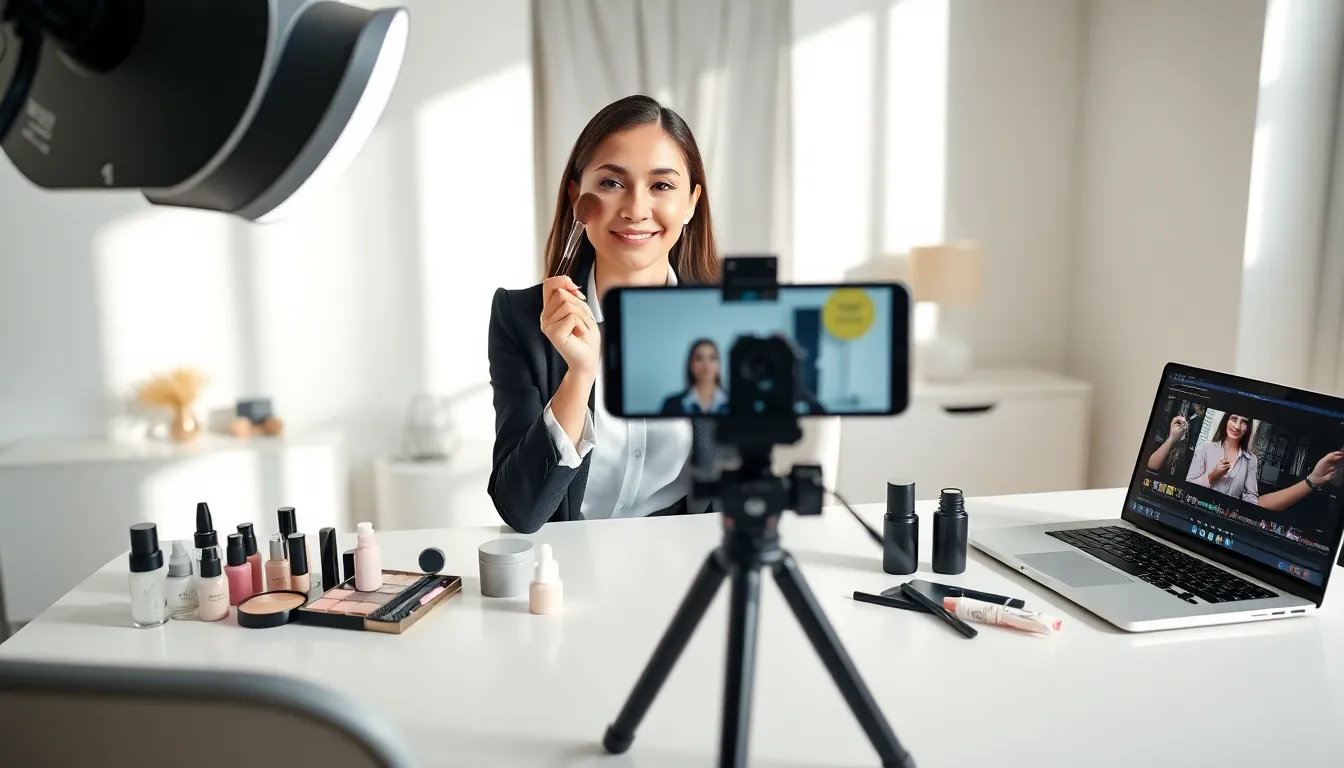
Gather products and set up lighting. Good lighting makes beauty breakdowns watchable. Natural light near a window works well. Ring lights provide consistent, flattering illumination. Make sure products are visible and identifiable.
Record in segments. Film each step separately rather than recording everything continuously. This makes editing easier and ensures each segment has optimal framing.
Show results immediately. Beauty breakdowns hook viewers by showing the payoff upfront. Open with the finished look, then reveal how it came together. This structure keeps people watching.
Add clear callouts. Text overlays should name products, shades, and brands. Viewers want this information, make it easy to find. Include prices if relevant.
Keep it short. Edit ruthlessly. Cut any footage that doesn’t show transformation or technique. Most successful beauty breakdowns stay under 90 seconds for maximum engagement.
Use trending audio strategically. Platform algorithms often boost content using popular sounds. Pick audio that fits the vibe of the look without distracting from the visuals.
Engage with comments. Respond to questions about products and techniques. This builds audience trust and encourages return viewers. It also signals to algorithms that the content generates meaningful interaction.