Education today vs. previous generations looks dramatically different. Students once sat in rows, memorized facts, and rarely questioned their teachers. Now, classrooms buzz with collaboration, digital tools, and personalized learning paths. This shift reflects broader changes in society, technology, and our understanding of how people actually learn.
The transformation didn’t happen overnight. Decades of research, technological advances, and shifting workforce demands have reshaped what education means. Some changes represent clear improvements. Others spark debate about what students might be losing along the way.
This article examines how education today vs. the past differs across five key areas: teaching methods, technology integration, student-teacher dynamics, accessibility, and preparation for future careers. Understanding these differences helps parents, educators, and students make informed decisions about learning.
Table of Contents
ToggleKey Takeaways
- Education today vs. previous generations has shifted from lecture-based memorization to active learning, critical thinking, and personalized instruction.
- Technology integration in modern classrooms provides personalized feedback, global connectivity, and digital resources—but also raises concerns about screen time and the digital divide.
- Student-teacher relationships have become more collaborative, with increased transparency through real-time communication and a stronger focus on mental health support.
- Accessibility in education has dramatically improved, with laws and assistive technologies enabling students with disabilities to participate in mainstream classrooms.
- Modern education prioritizes the 4Cs—critical thinking, creativity, communication, and collaboration—to prepare students for rapidly evolving careers.
- Social-emotional learning and global awareness are now essential parts of curriculum, equipping students with interpersonal skills for a connected world.
Key Differences in Teaching Methods
Traditional classrooms relied heavily on lecture-based instruction. Teachers stood at the front and delivered information. Students listened, took notes, and memorized content for tests. This model treated learning as a one-way transfer of knowledge.
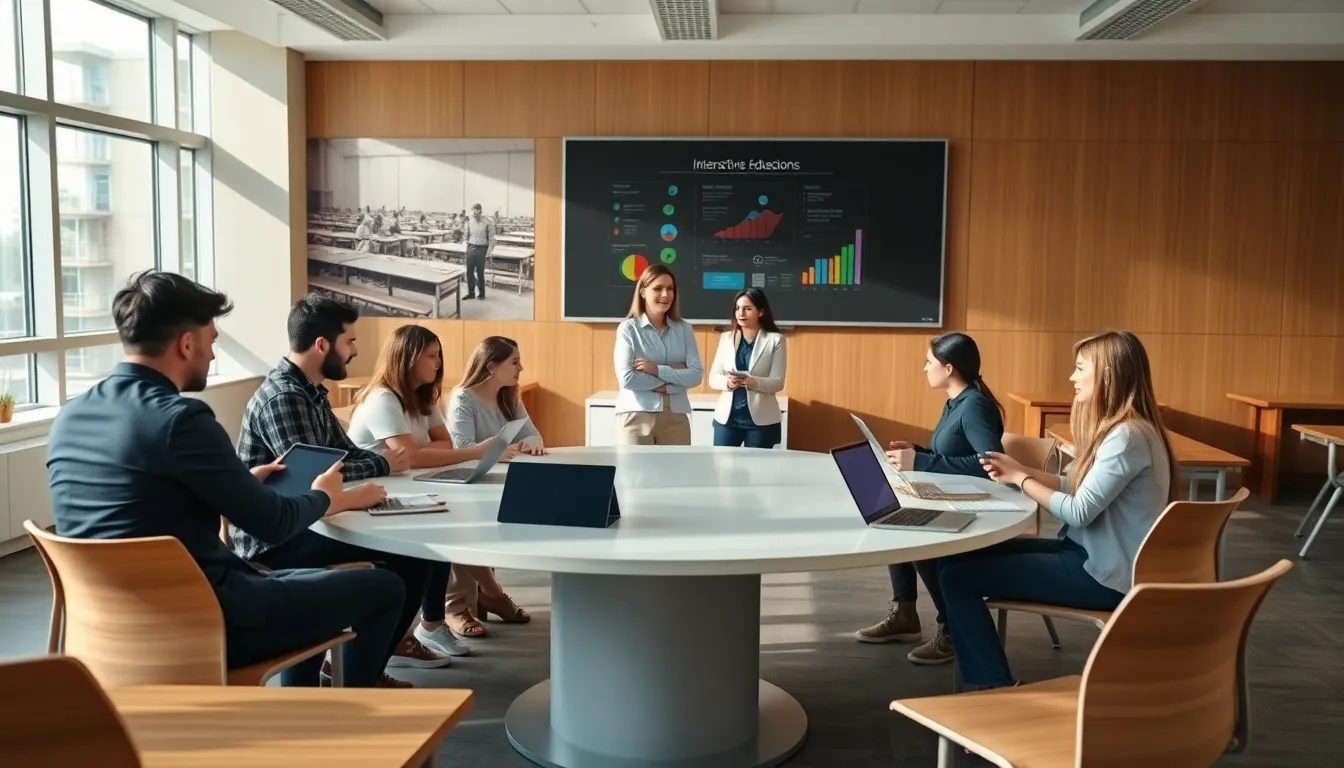
Education today vs. older approaches favors active learning strategies. Teachers now serve as facilitators rather than sole knowledge sources. Students discuss concepts in groups, work on projects, and apply knowledge to real-world problems. The focus has shifted from memorization to critical thinking and problem-solving.
Assessment methods have also changed significantly. Past education measured success through standardized tests and letter grades alone. Modern classrooms incorporate portfolios, presentations, peer evaluations, and competency-based assessments. These varied approaches capture a fuller picture of student abilities.
Differentiated instruction represents another major shift. Traditional education delivered the same content at the same pace to every student. Today’s teachers adjust their methods based on individual learning styles, speeds, and interests. A student struggling with reading might receive audio materials, while an advanced learner tackles extension projects.
The physical classroom setup reflects these changes too. Rows of desks facing forward have given way to flexible seating arrangements. Students might work at standing desks, in bean bag corners, or around collaborative tables depending on the activity.
The Role of Technology in Modern Classrooms
Technology has fundamentally transformed how education today vs. past generations operates. Students now carry more computing power in their pockets than existed in entire schools thirty years ago. This shift has created both opportunities and challenges.
Interactive whiteboards, tablets, and laptops have replaced chalkboards and paper worksheets in many classrooms. Educational software adapts to each student’s level, providing personalized practice and immediate feedback. Video conferencing enables guest speakers from anywhere in the world to join class discussions.
Online resources have expanded what students can access. Digital libraries contain millions of books, research papers, and primary sources. Virtual lab simulations let students conduct experiments that would be too dangerous or expensive in real life. Language learners can practice speaking with native speakers across continents.
The COVID-19 pandemic accelerated technology adoption in education. Schools that had resisted digital tools suddenly had to embrace them. This forced experiment revealed both the potential and limitations of remote learning. Many schools now blend in-person and online elements in hybrid models.
But, technology integration brings concerns. Screen time worries parents and health experts. The digital divide means some students lack reliable internet or devices at home. Teachers need ongoing training to use new tools effectively. And questions persist about whether digital learning develops the same depth of understanding as traditional methods.
Education today vs. the past requires digital literacy as a core skill. Students must learn to evaluate online sources, protect their privacy, and use technology responsibly. These skills didn’t exist in previous educational frameworks.
Changes in Student-Teacher Relationships
The dynamic between students and teachers has shifted considerably. Past classrooms operated on strict hierarchies. Teachers held absolute authority. Students spoke only when called upon. Questioning a teacher’s statements was often considered disrespectful.
Education today vs. earlier eras encourages more collaborative relationships. Teachers welcome questions and discussions. Many educators view themselves as learning partners rather than authority figures. This shift aims to develop independent thinking rather than passive acceptance.
Communication has expanded beyond classroom hours. Parents and students can email teachers directly. Learning management systems show grades, assignments, and feedback in real time. This transparency was unthinkable in previous generations when report cards arrived quarterly with minimal explanation.
Mental health awareness has also changed student-teacher interactions. Teachers now receive training to recognize signs of anxiety, depression, or trauma. Many schools employ counselors and social workers. The connection between emotional wellbeing and academic success receives more attention than ever before.
That said, some argue that education today vs. the past has swung too far. Critics suggest that reduced formality has eroded respect for expertise. They worry that students expect entertainment rather than effort. Finding the right balance between approachability and authority remains an ongoing challenge for educators.
Accessibility and Inclusivity in Education
Perhaps no area shows more dramatic change than accessibility. Education today vs. decades ago includes far more students who would have been excluded entirely.
Students with disabilities faced severe barriers in the past. Many were placed in separate institutions or denied education altogether. Laws like the Individuals with Disabilities Education Act transformed this reality. Today, students with physical, cognitive, and learning differences attend mainstream classrooms with appropriate support.
Assistive technologies have expanded possibilities further. Text-to-speech software helps students with dyslexia. Hearing loops and captioning support deaf students. Communication devices give nonverbal students a voice. These tools didn’t exist in previous educational eras.
Gender equity in education has also improved substantially. Girls and women now outnumber men in higher education enrollment in many countries. Subjects once considered inappropriate for female students, like advanced mathematics and science, are open to all. Though gaps remain, progress is undeniable.
Cultural and linguistic diversity receives greater recognition in modern classrooms. Multilingual education programs support students learning English while maintaining their home languages. Curriculum content increasingly reflects diverse perspectives and histories. Past education often presented a single cultural viewpoint as universal truth.
Financial accessibility remains a work in progress. Education today vs. previous generations costs significantly more, especially at the college level. Student debt has become a major economic issue. Free online courses and open educational resources offer some alternatives, but quality concerns persist.
Preparing Students for the Future
The skills employers value have changed dramatically. Education today vs. past systems must prepare students for jobs that may not exist yet. This uncertainty shapes curriculum decisions.
Critical thinking, creativity, communication, and collaboration, often called the 4Cs, have become educational priorities. These skills transfer across industries and remain relevant as specific job requirements shift. Memorizing facts matters less when information is instantly searchable.
Career and technical education has gained renewed respect. Vocational programs, once seen as lesser tracks, now offer pathways to well-paying careers in healthcare, technology, and skilled trades. The college-for-everyone mindset has softened as student debt concerns grow.
Social-emotional learning has entered mainstream education. Programs teach students to manage emotions, set goals, show empathy, and maintain healthy relationships. Employers consistently rate these interpersonal skills as essential for workplace success.
Entrepreneurship education exposes students to business concepts earlier. School programs encourage students to identify problems, develop solutions, and pitch ideas. This mindset prepares them for a gig economy where traditional employment paths are less certain.
Education today vs. the past also emphasizes global awareness. Students learn about climate change, international relations, and cultural differences. They’re preparing to work and live in a connected world their grandparents couldn’t have imagined.