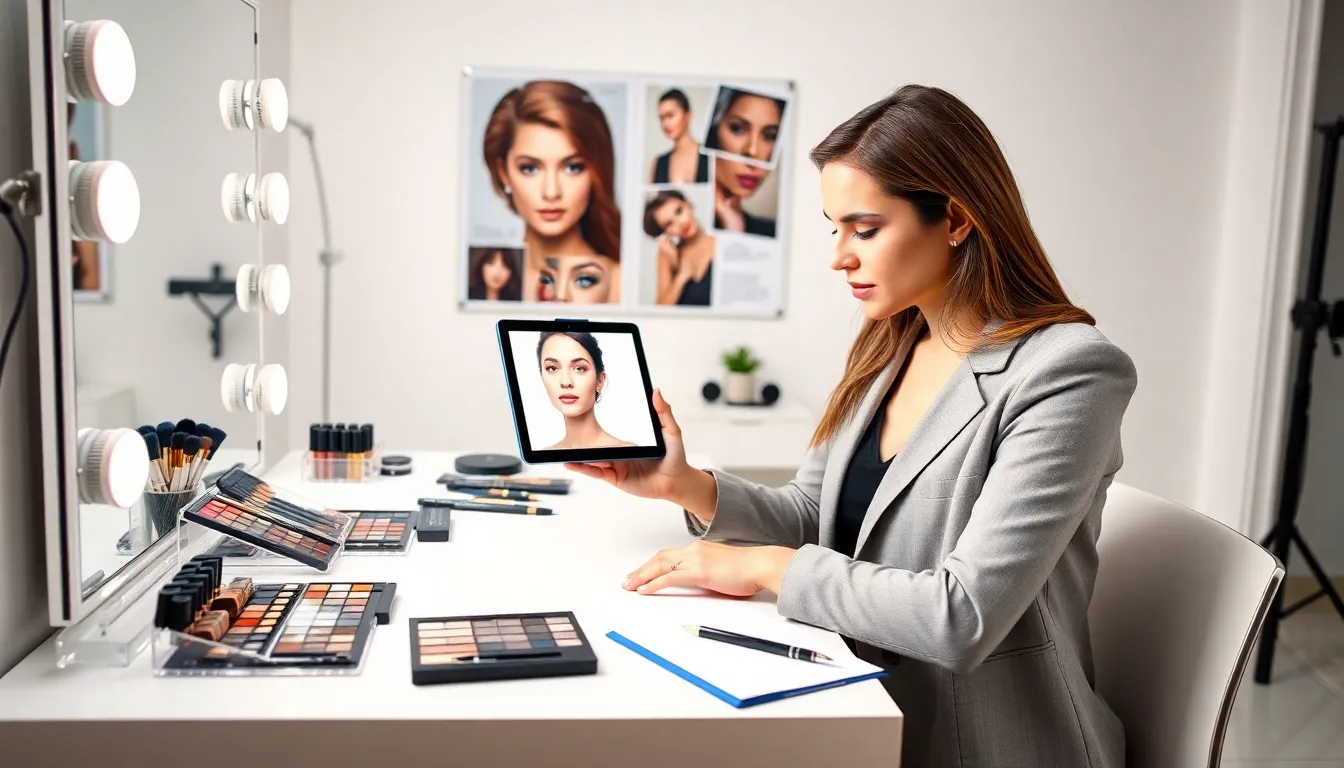
Beauty breakdown techniques help makeup enthusiasts and professionals decode any makeup look. Whether someone spots a stunning editorial image or admires a celebrity’s red carpet face, these techniques reveal exactly how to recreate it.
Breaking down a beauty look means identifying each product, technique, and application method used. It’s like reverse-engineering a recipe, once the components are understood, recreation becomes possible. This guide covers the essential tools, step-by-step approaches, and common pitfalls that trip people up when analyzing makeup looks.
Table of Contents
ToggleKey Takeaways
- Beauty breakdown techniques systematically analyze makeup looks by examining products, application methods, and layering sequences to enable accurate recreation.
- A proper breakdown covers five main areas: skin preparation, eye makeup, brow styling, lip products, and finishing elements like blush and highlighter.
- High-resolution images and color picker tools are essential for identifying exact shades and texture details during analysis.
- Always account for lighting conditions and social media filters, as they can drastically alter how makeup appears in photos.
- Practice beauty breakdown techniques regularly by comparing your product guesses to actual tutorials and recreating looks to identify skill gaps.
What Are Beauty Breakdown Techniques
Beauty breakdown techniques are systematic methods for analyzing makeup looks. They involve examining each element of a finished face, from base products to finishing touches, and identifying the specific products and application methods used.
These techniques serve several purposes. Makeup artists use beauty breakdown techniques to study trends and expand their skills. Beauty enthusiasts apply them to recreate looks they admire. Content creators rely on them to produce tutorials that accurately reproduce popular styles.
A proper beauty breakdown covers five main areas:
- Skin preparation and base products: Primers, foundations, concealers, and setting powders
- Eye makeup: Eyeshadow placement, liner techniques, and lash applications
- Brow styling: Shape, fill, and hold products
- Lip products: Liner, color, and finishing texture
- Finishing elements: Blush, bronzer, highlighter, and setting sprays
The goal isn’t just to identify what products appear in a look. Beauty breakdown techniques dig deeper into how those products were applied. Brush strokes, blending patterns, and layering sequences all matter.
Essential Tools for Analyzing Makeup Looks
Successful beauty breakdown techniques require the right tools. Some are physical, others digital.
Reference Materials
High-resolution images make accurate analysis possible. Screenshots from videos often lack detail. Professional photos or 4K video stills work best for beauty breakdown techniques.
A color picker tool helps identify exact shades. Many free apps and browser extensions can pull hex codes from any image. This proves especially useful when matching lip colors or eyeshadow tones.
Physical Comparison Items
A swatch library helps match products faster. Many professionals keep organized collections of foundation shades, eyeshadow palettes, and lip products for quick reference.
A magnifying glass or zoom function reveals texture details. Glitter particles, shimmer size, and skin finish become clearer with magnification.
Documentation Tools
A simple notes app or spreadsheet tracks findings during beauty breakdown techniques. Documenting each discovery prevents forgetting details during long analysis sessions.
Some analysts create visual maps, annotated images that label each area of the face with product guesses and technique notes. These serve as useful reference guides for later recreation attempts.
Step-by-Step Approach to Deconstructing Any Look
Consistent beauty breakdown techniques follow a structured process. Here’s a reliable method that works for any makeup look.
Step 1: Assess the Overall Vibe
Before examining details, identify the look’s general style. Is it editorial? Natural? Glam? This context guides expectations for product types and application intensity.
Step 2: Analyze the Base
Start with skin. Note the finish, matte, dewy, or satin. Look for visible pores or texture, which indicate coverage level. Check for color-correcting undertones. These observations narrow down foundation and concealer possibilities during beauty breakdown techniques.
Step 3: Map the Eye Makeup
Eyes often contain the most complexity. Identify:
- Transition shade placement
- Lid color and finish
- Crease depth and color
- Lower lash line products
- Inner corner highlight
- Liner style and thickness
- Lash type (natural, strip, or individual)
Step 4: Examine Cheek Products
Blush placement varies dramatically between looks. Note whether it sits high on cheekbones, drapes toward temples, or rests on the apple. Bronzer and contour placement follow similar analysis.
Step 5: Study the Lips
Lip beauty breakdown techniques involve identifying liner, color, and finish. Overlining becomes visible at lip edges. Gloss pooling indicates product type and viscosity.
Step 6: Note Finishing Details
Highlighter intensity, setting spray dewiness, and overall skin sheen complete the analysis. These final observations round out successful beauty breakdown techniques.
Common Mistakes to Avoid When Breaking Down Beauty Looks
Even experienced analysts make errors during beauty breakdown techniques. These common mistakes lead to inaccurate recreations.
Ignoring Lighting Conditions
Studio lighting changes everything. A matte foundation can look dewy under ring lights. Cool-toned shadows appear warmer in golden hour. Always account for lighting before drawing conclusions during beauty breakdown techniques.
Assuming Expensive Products
Not every stunning look features luxury brands. Many viral looks use drugstore products. Avoid assuming price points based on finish quality alone.
Overlooking Skin Prep
That “flawless base” might owe more to skincare than foundation. Hydrated, well-prepared skin photographs differently. Beauty breakdown techniques should consider what happens before makeup application.
Missing the Layering Sequence
Products applied in different orders create different results. Cream blush under powder differs from powder under cream. Pay attention to texture interactions.
Confusing Filters with Makeup
Social media filters smooth skin, brighten eyes, and enhance colors. They can make basic makeup look editorial. Strong beauty breakdown techniques account for digital enhancement.
Practicing Your Beauty Breakdown Skills
Like any skill, beauty breakdown techniques improve with practice. Several exercises build analysis abilities.
The Comparison Method
Choose a look and write down product guesses before watching any tutorial. Then find the actual product list and compare. This reveals blind spots and strengthens pattern recognition.
Time-Limited Analysis
Set a five-minute timer and analyze a look as thoroughly as possible. This pressure forces quick identification of key elements. Speed comes from repetition.
Recreate and Document
After completing beauty breakdown techniques on a look, attempt recreation. Photograph the result. Compare it to the original and note discrepancies. These gaps highlight areas where analysis skills need work.
Study Different Eras and Styles
1990s makeup differs from 2020s trends. Editorial looks differ from bridal. Practicing beauty breakdown techniques across varied styles builds a comprehensive skill set.
Join Community Discussions
Online beauty communities often discuss specific looks. Participating in these conversations exposes analysts to perspectives they might miss alone. Others notice details that escape individual observation.